Cue Card Moments
The Ghostwriter’s Collection is a supernatural adventure filled with ghost ships, immortal pirates, ancient mysteries, and a world where forgotten stories never truly die.
The story follows Captain Tobias Blackwood and his ghostly ship, the Silver Banshee, as they sail the mysterious Sea of Dreams.
Pursued by Captain Ned Morris and his cursed crew aboard the Red Gypsy, Tobias becomes part of a struggle involving a mysterious chest, a hidden library, and the very meaning of freedom.
At its heart, the Ghostwriter is about adventure, betrayal, revenge, and the power of stories to live long after their creators are gone.
THE SETTING — THE SEA OF DREAMS
A supernatural ocean where ghost ships sail, the dead continue their journeys, and the boundaries between imagination and reality become blurred.
THE HERO — CAPTAIN TOBIAS BLACKWOOD
Captain of the Silver Banshee, Tobias believes that being undead doesn’t mean being cursed. To him, freedom comes from having purpose, making choices, and continuing the adventure.
THE ADVERSARY — CAPTAIN NED MORRIS
Commander of the Red Gypsy, Ned believes his undead existence is a curse. He relentlessly pursues Tobias, convinced that a mysterious chest holds the secret to freeing his soul and crew.
THE MYSTERY — THE FORGOTTEN STORIES
A small chest of gold and silver becomes the center of a supernatural conflict connected to the Library of Forgotten Stories, where stories are preserved rather than allowed to disappear.
THE HEART — WHAT IS FREEDOM?
Two immortal captains see eternity very differently. One wants to escape it. The other has learned to embrace it. Their conflict explores betrayal, revenge, hope, and the meaning of freedom.
BOOK ONE • THE GHOSTWRITER'S COLLECTION
30-SECOND INTRODUCTION
The Ghostwriter’s Collection is a supernatural adventure filled with ghost ships, immortal pirates, ancient mysteries, and a world where forgotten stories never truly die.
The story follows Captain Tobias Blackwood and his ghostly ship, the Silver Banshee, as they sail the mysterious Sea of Dreams.
Pursued by Captain Ned Morris and his cursed crew aboard the Red Gypsy, Tobias becomes part of a struggle involving a mysterious chest, a hidden library, and the very meaning of freedom.
At its heart, the Ghostwriter’s Collection is about adventure, betrayal, revenge, and the power of stories to live long after their creators are gone.
SETTING: The Sea of Dreams, a supernatural ocean where ghost ships sail.
HERO: Captain Tobias Blackwood, who believes freedom comes from purpose and choice.
ADVERSARY: Captain Ned Morris, who seeks release from his undead existence.
MYSTERY: A mysterious chest connected to the Library of Forgotten Stories.
HEART: Freedom, hope, betrayal, revenge, and the preservation of stories.
CLOSING LINE: Imagine Pirates of the Caribbean sailing into The Twilight Zone, where the dead still have adventures and the greatest treasure isn't gold—it's a story worth remembering.

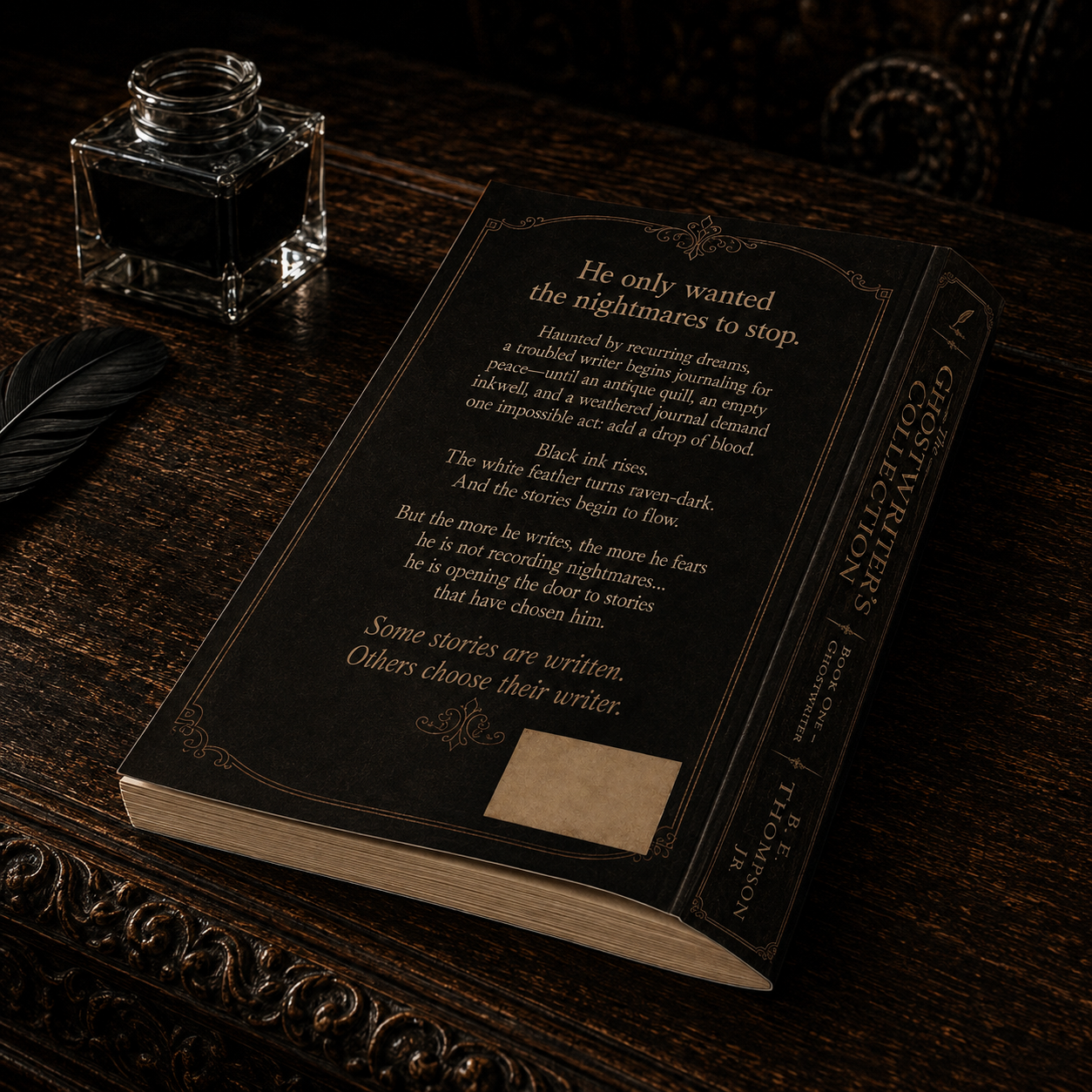
The Ghostwriter - Character Archives
Book 1 / The Ghostwriter’s Collection
Meet the souls who bring The Ghostwriter’s Collection to life. From daring captains and mysterious keepers to restless spirits, each carries secrets, ambitions, and a story waiting to unfold. Cross the veil and discover the faces behind the tales.

The Ghostwriter
Detailed Character Description | The Ghostwriter's Collection
The Ghostwriter is the mysterious central protagonist and narrator of The Ghostwriter, a deeply troubled young man whose extraordinary journey begins not with a desire for adventure, but with a desperate search for peace.
Physical Description
At 33 years old, the Ghostwriter stands approximately 5 feet 9 inches tall and weighs 125 pounds. He has a thin, slightly muscular build, blond hair, piercing blue eyes, and a goatee. His youthful appearance contrasts sharply with the emotional exhaustion he carries.
He generally dresses casually, preferring comfort and practicality over elaborate clothing. His appearance is unassuming, allowing him to blend into everyday life despite the darkness that follows him.
Personality and Psychological Profile
The Ghostwriter is loyal, honest, intelligent, and deeply empathetic. Beneath his withdrawn exterior lies a sharp wit, a sarcastic sense of humor, and an appreciation for dark comedy.
He is naturally reclusive, often preferring solitude to social interaction. Although he struggles with confidence and a volatile temper, he possesses considerable courage and an instinctive ability to take charge when confronted with danger.
Nine years after a devastating incident that destroyed the life he once knew, he continues to struggle with severe post-traumatic stress, recurring nightmares, grief, and survivor's guilt.
The loss of a child, the breakdown of his marriage, and the end of his former career have left him questioning the purpose of his survival.
Yet despite his suffering, his faith in God remains an important source of strength. His beloved dog, Jasper, provides companionship and a connection to a world he often feels separated from.
The Birth of the Ghostwriter
Under the care of Dr. John Harlow, the troubled young man is encouraged to begin writing down his nightmares as a way of confronting his traumatic memories.
During a visit to a flea market, he encounters a strange elderly man who seems unnervingly familiar. The man offers him an antique writing collection housed in a weathered box made from Black Forest Oak.
Inside are three extraordinary objects: an aged leather journal, an elegant white-feathered quill with a silver nib, and an empty crystal inkwell.
The old man explains that the writing set requires a single drop of blood to awaken its mysterious ink. Once the young man fulfills this requirement, the empty inkwell fills with black ink, and the quill's beautiful white feather transforms into the deep black of a raven's wing.
From that moment, writing becomes almost effortless.
His dreams begin revealing unfamiliar people, distant places, and events he could never have witnessed. What initially seems like an unusual form of inspiration gradually becomes something far more disturbing.
The stories do not always appear to originate within his imagination. Instead, they seem to arrive through him, as though he has become the instrument through which forgotten experiences demand to be told.
He adopts the name The Ghostwriter, signing the extraordinary accounts that emerge from his dreams.
Supernatural Abilities
The Ghostwriter's abilities are closely tied to the enchanted writing collection rather than conventional magic.
His established supernatural experiences include unusually vivid dreams containing strangers' stories, extraordinary writing fluency, unfamiliar knowledge, and an increasingly mysterious connection to the quill and journal.
The quill responds to blood-activated ink, darkening from white to black while charged and returning to white when that charge is exhausted.
The writing set can be replenished only three times before it must be passed to another individual, establishing an ominous limitation whose full consequences remain unknown.
It is not yet established whether the Ghostwriter controls the stories, whether the enchanted objects guide him, or whether some greater force is working through them.
His Role in the Story
The Ghostwriter serves as the bridge between ordinary reality and the extraordinary histories contained within The Ghostwriter's Collection.
Through him, readers encounter the lives of Tobias James Blackwood, the legendary Silver Banshee, the founding of Devil Hills, and the supernatural events that eventually connect to Dead Souls and Dead Souls: The Awakening.
His greatest struggle is not necessarily against a visible enemy. It is his struggle to live with what happened to him while discovering that the nightmares he fears may contain stories far greater than his own.
The central mystery remains: Why was he chosen to receive these stories, and what happens when his final drop of blood has been spent?
Character Summary
The distinction I'd preserve in your character bible is that the Ghostwriter is not yet established as an all-powerful supernatural being. He is a wounded human being entrusted with something extraordinarily powerful, whose true purpose and origins remain mysteries.
That humanity is what makes the character compelling: he becomes the keeper of other people's stories while still struggling to understand his own.
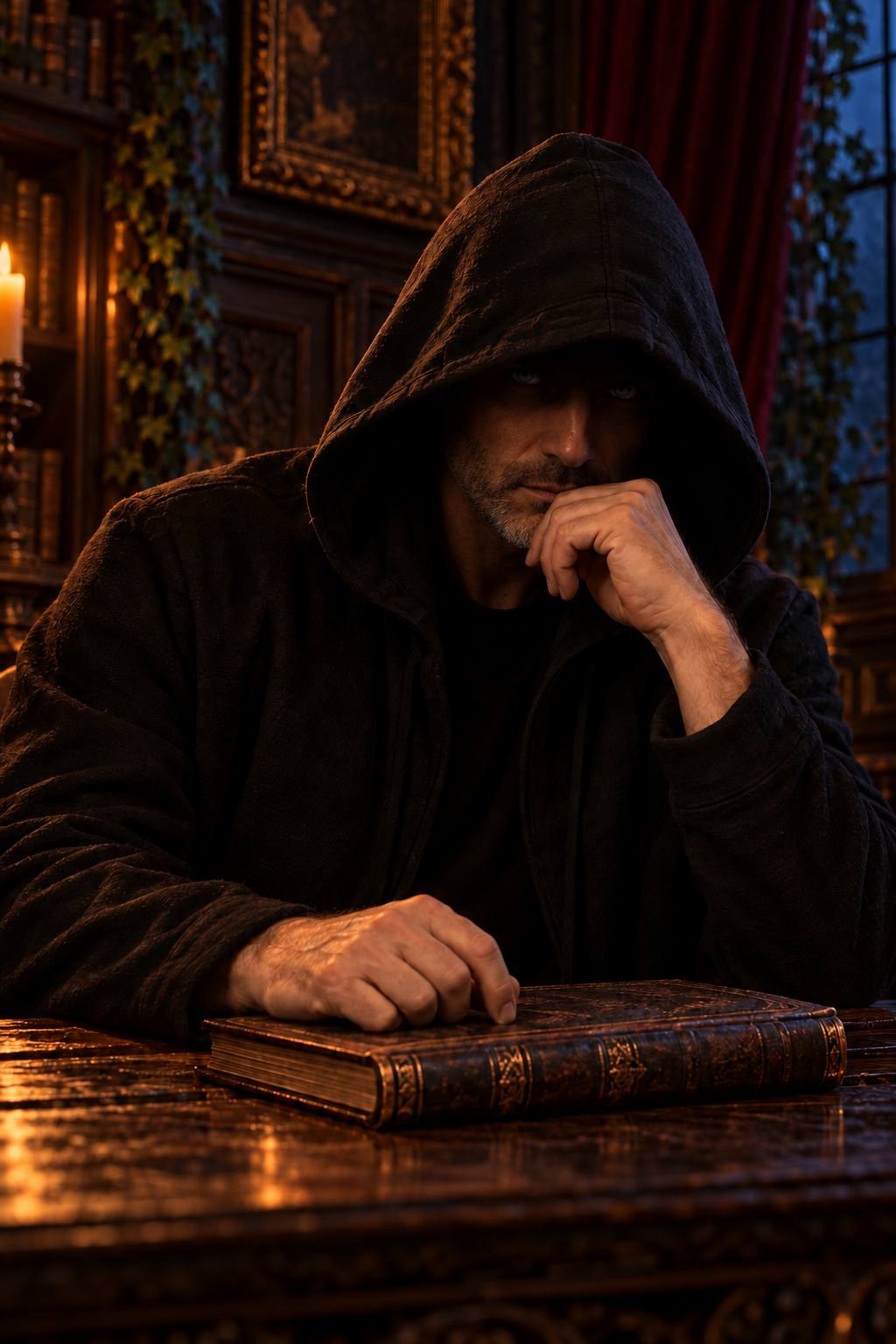
The Mysterious Vendor
Character Description | The Ghostwriter
“A writer always pays for the first story.”
Character Overview
The Mysterious Vendor is an enigmatic elderly man who appears at a flea market and introduces the Ghostwriter to an extraordinary collection of supernatural writing instruments. At first glance, he seems little more than an aging merchant selling forgotten antiques. Yet his unsettling resemblance to the young protagonist, his knowledge of the enchanted objects, and his cryptic warnings suggest that he is far more than an ordinary salesman.
He is one of the most mysterious figures in The Ghostwriter, serving as the catalyst for the protagonist's journey into forgotten histories, supernatural events, and the secrets of the Black Forest Oak.
Physical Appearance
The vendor is an elderly man, deeply weathered by time, with a thin frame and a height almost identical to that of the Ghostwriter. His gray hair is styled much like the young man's blond hair, creating an uncomfortable familiarity. His face is marked by deep wrinkles, as though he has endured decades of hardship, regret, and experiences that few people could imagine.
Despite his aged appearance, he is not frail. He moves with quiet purpose and possesses an unusual steadiness that contradicts his apparent years.
His fingers are permanently stained black, resembling the hands of someone who has spent a lifetime dipping a quill into ink. The discoloration is so deeply embedded in his skin that it appears impossible to wash away.
His original appearance includes a faded, hooded housecoat, worn from years of use. A more recent visual concept portrays him with longer gray hair, a black jacket, and a white shirt, while retaining his aged features and unsettling resemblance to the protagonist.
Perhaps his strangest physical characteristic is his scent: an unmistakable mixture of sweat and seawater. The smell seems oddly out of place at an ordinary flea market and raises questions about his past.
There is something hauntingly familiar about the man. The Ghostwriter cannot shake the impression that he is looking at an older version of himself.
Personality and Behavior
The vendor possesses a calm, calculating personality and the patience of someone who has learned that time is rarely an obstacle.
Although his clothing and ink-stained hands suggest poverty or years of manual labor, his speech is remarkably refined. He speaks with the eloquence of an accomplished storyteller, choosing his words carefully and delivering even the simplest statements with deliberate meaning.
His voice carries an old-fashioned, occasionally sailor-like quality. He calls the Ghostwriter "laddie" and uses

Rita Booker Graves
Character Biography | The Ghostwriter’s Collection
Rita Booker Graves, originally known as Rita Booker, is the mysterious Keeper of The Ghostwriter’s Collection. A woman whose extraordinary journey extends beyond death, Rita serves as the guardian of forgotten, abandoned, and unfinished stories. After crossing the veil, she adopts the surname Graves, marking the beginning of her supernatural existence and the responsibilities that accompany it.
Rita is the same age as Captain Tobias James Blackwood. She possesses a youthful appearance, a composed demeanor, and a commanding presence. Intelligent, observant, fiercely protective, and exceptionally secretive, Rita combines charm and wit with a formidable temper. Although she generally maintains a calm and welcoming personality, she can suddenly transform into a terrifying supernatural presence when provoked.
During her mortal life, Rita was closely connected to Tobias James Blackwood, the legendary Silver Banshee, and Gertrude’s Collection of Dreams. When Captain Ned Morris demanded that she reveal the collection’s secret location, Rita refused to betray its whereabouts. Furious at her defiance, Ned shot her through the heart, ending her mortal life. Following her death, she appeared on Devil’s Island, still bearing the fatal wound that marked her betrayal.
After crossing the veil, Rita became the Keeper of The Ghostwriter’s Collection, located at 379 Shadow’s Edge Cemetery Road in Devil Hills, West Virginia. Operating under the motto “Lost a story? We have it,” the mysterious establishment preserves extraordinary tales, forgotten histories, and stories that might otherwise disappear. Rita oversees the collection, welcomes visitors, and introduces the remarkable adventures contained within its books.
As a central figure and narrator of The Ghostwriter’s Collection, Rita connects the adventures of the Silver Banshee, the supernatural history of Devil Hills, and the terrifying events of Dead Souls. Although her mortal death is established, the full extent of her supernatural abilities and the circumstances surrounding her transformation remain mysterious.
Rita Booker Graves is living proof that death does not end every story. Sometimes, it is merely the beginning of another.

Dr. John Harlow
Character Biography | The Ghostwriter
“Self-control is mental control.”
Character Overview
Dr. John Harlow is a 70-year-old psychiatrist and therapist who serves as the Ghostwriter's trusted physician, counselor, and connection to the ordinary world. A seasoned professional with a disciplined, military-like demeanor, Harlow is a man of experience, intelligence, and unwavering honesty.
He is not someone who offers false hope or comforting lies. Instead, he believes that understanding one's psychological struggles is the first step toward regaining control of one's life.
Although he has spent decades studying human behavior, trauma, and emotional suffering, his relationship with the Ghostwriter presents a particularly challenging case. Harlow recognizes his patient's intelligence, emotional instability, and extraordinary capacity for survival, describing him as “dangerous but stable.”
Despite his professional concerns, he genuinely cares about the young man's well-being and remains determined to help him find some measure of peace.
Physical Appearance
Dr. Harlow stands an impressive 6 feet 2 inches tall, with a remarkably thin frame weighing approximately 145 pounds. He is a white man with lightly tanned skin, neatly maintained gray hair, piercing green eyes, and a carefully trimmed goatee.
He wears glasses, giving him a scholarly and observant appearance. His preferred clothing is a traditional black suit, reflecting his conservative, professional personality.
His posture is consistently straight, suggesting the discipline of a military man. Even at 70, he carries himself with composure and quiet authority.
Harlow possesses a deep, commanding voice. He rarely needs to raise it. His carefully chosen words, steady expression, and deliberate manner of speaking are usually enough to capture someone's attention.
His appearance communicates professionalism rather than intimidation. He looks like a man who has witnessed considerable human suffering but has never allowed it to destroy his compassion.
Personality and Character Traits
Dr. Harlow is patient, empathetic, intelligent, highly observant, and exceptionally disciplined.
His most defining characteristic is his honesty. He believes his patients deserve truthful assessments of their conditions, even when those truths are unpleasant.
That honesty can occasionally become a weakness. His straightforward manner may sound harsh to someone seeking reassurance, but his intentions are rooted in genuine concern.
He has a dry, dark sense of humor, something that helps him connect with the Ghostwriter, who shares a similarly sarcastic outlook on life.
Harlow understands that humor can sometimes serve as a person's last defense against unbearable emotional pain.
Although he maintains professional boundaries, he can become personally invested in the recovery of those under his care.
His greatest fear is losing a patient he believes he could have helped.
His greatest strength is his experience. His greatest weakness is that he sometimes cares more deeply than his professional detachment allows.
Personal Life and Background
Born on August 25 in Florida, Harlow has dedicated much of his adult life to studying psychology, psychiatry, trauma, and human behavior.
He is married and has no children.
Outside his professional responsibilities, Harlow enjoys studying and expanding his knowledge. He believes that understanding the human mind is a lifelong pursuit rather than a discipline that can ever be fully mastered.
His personal tastes are traditional. He enjoys a well-prepared steak with potatoes and a glass of red wine.
He is a creature of habit, preferring order, routine, and intellectual discipline.
These characteristics help explain his discomfort when confronted with experiences that cannot be easily categorized or explained through conventional science.
Relationship with the Ghostwriter
Harlow serves as one of the Ghostwriter's most important human relationships.
For years, the young man has struggled with the emotional consequences of a devastating traumatic incident. His recurring nightmares, survivor's guilt, grief, and isolation have left him searching for a way to live with memories
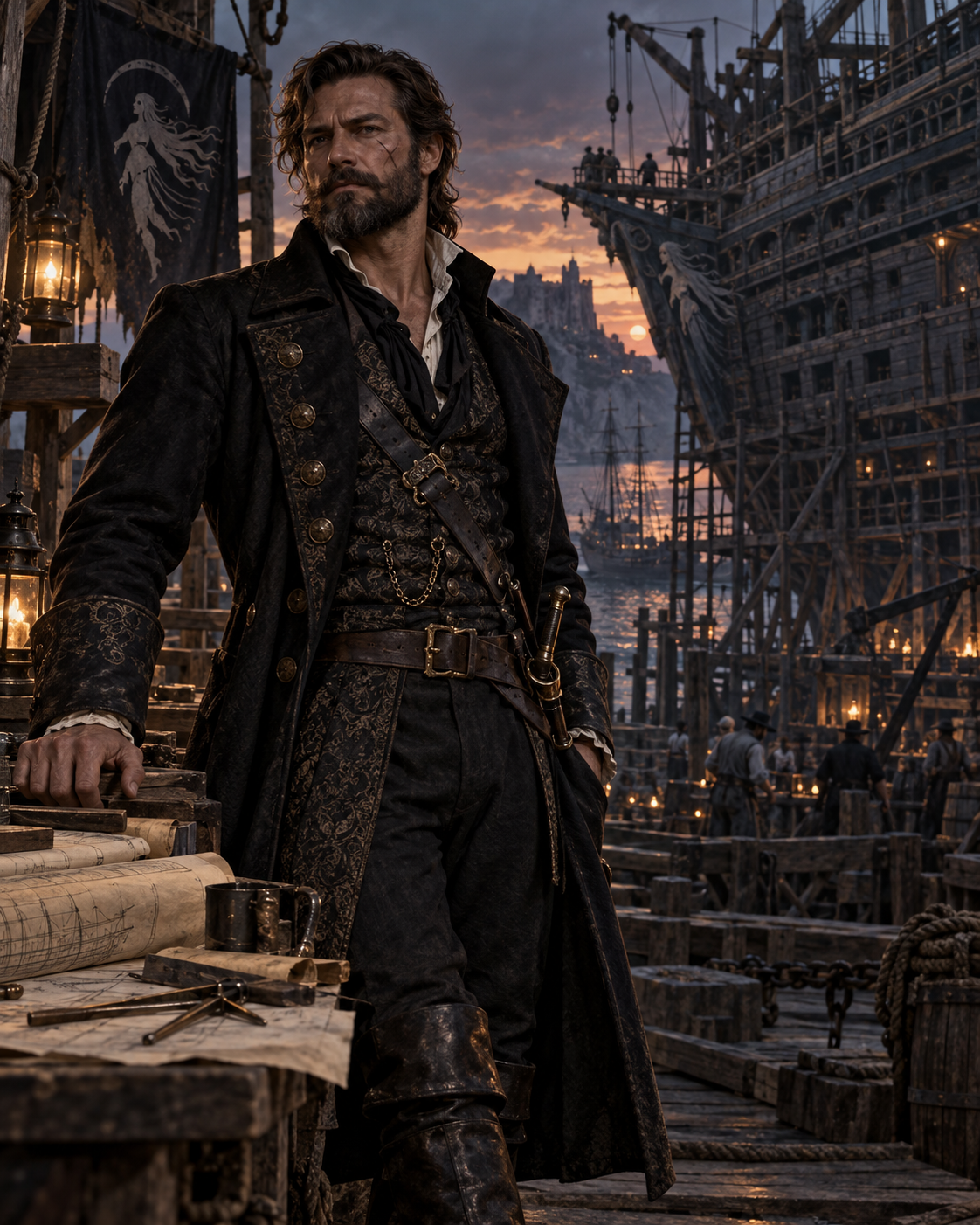
Earnest T. Blackwood
Character Biography | The Ghostwriter’s Collection
Earnest T. Blackwood was a master shipbuilder, pirate captain, and patriarch of the Blackwood family. Born in Devil Hills, he was a courageous, intelligent, and fiercely determined man whose greatest ambition was to build the legendary Silver Banshee, a magnificent three-deck galleon constructed from ancient Black Forest Oak.
At 45 years old, Earnest stood 5 feet 10 inches tall and weighed approximately 145 pounds. He had a lean, muscular build, brown hair, brown eyes, a full beard, and a distinctive scar on his left cheek. His deep voice, stern expression, and commanding presence reflected his years of hard work and leadership. He preferred formal clothing and believed that a man’s appearance should reflect his pride and character.
Earnest was a skilled craftsman, inventive thinker, and strict but fair leader. Although caring and devoted to his family, he possessed a formidable temper and could be dangerously stubborn. He believed that great accomplishments required courage and sacrifice, often declaring, “Risk is its own reward.”
The son of Augustus Blackwood and husband of the late Gabriel Winters, Earnest was the father of Abel Blackwood and grandfather of Tobias James Blackwood. He personally selected the Black Forest Oak used to construct the Silver Banshee and also carved an intricate grandfather clock from the mysterious wood.
Earnest died before his greatest creation could be completed. His son Abel finished the vessel and became its first captain, while his grandson Tobias later carried the Blackwood legacy into legend.
“A ship is freedom.” This simple belief defined Earnest’s life. Although he never witnessed the Silver Banshee sail, his determination and craftsmanship ensured that his dream would survive for generations.

Captain Tobias James Blackwood
Character Biography | The Ghostwriter’s Collection
Captain Tobias James Blackwood is the legendary pirate captain of the Silver Banshee, a magnificent three-deck galleon constructed from ancient Black Forest Oak. The son of Abel Blackwood and grandson of Earnest T. Blackwood, Tobias represents the third generation of a family whose destiny became inseparable from the sea. Inheriting command of the vessel his grandfather envisioned and his father completed, Tobias transforms the Silver Banshee into one of the most formidable and mysterious ships to sail the oceans.
Tobias is a courageous, intelligent, resourceful, and fiercely independent man with a commanding presence and a natural talent for leadership. A skilled sailor and strategist, he possesses an adventurous spirit, a sharp mind, and an unwavering loyalty to those who earn his trust. Although capable of ruthlessness when confronting enemies, he maintains a strong sense of honor and responsibility toward his crew. His determination and willingness to challenge overwhelming odds make him a formidable captain.
Under Tobias’s command, the Silver Banshee becomes a legendary pirate vessel, renowned for her extraordinary construction, impressive firepower, and successful raids. Tobias secretly modifies the ship’s original armament, increasing her firepower to thirteen cannons. His daring voyages bring him tremendous wealth, including gold, silver, jewels, and other treasures, but also attract dangerous rivals. Among them is Captain Ned Morris, whose ambition and eventual betrayal threaten everything Tobias seeks to protect.
Tobias’s story becomes closely connected to Rita Booker, a woman of his own generation whose fate is intertwined with Gertrude’s Collection of Dreams. When Ned Morris murders Rita after she refuses to reveal the collection’s hidden location, his betrayal sets into motion a dangerous conflict involving Tobias, the Silver Banshee, and the protected collection of stories and dreams. Tobias becomes central to the effort to ensure that the treasured collection reaches Devil’s Island rather than falling into Ned’s hands.
His journey ultimately connects him to the supernatural mysteries of Devil’s Island, its ancient guardians, and the preservation of forgotten stories. His role as the Keeper of Crossing extends his significance beyond that of an ordinary pirate captain, linking his seafaring legacy to the mysterious forces surrounding The Ghostwriter’s Collection.
Tobias James Blackwood represents courage, loyalty, freedom, and the enduring power of family legacy. His grandfather dreamed of the Silver Banshee, his father brought her to life, and Tobias transformed her into a legend whose story would endure far beyond the age of pirates.

Captain Ned Morris
Character Biography | The Ghostwriter’s Collection
Captain Ned Morris is a ruthless pirate captain and one of the central antagonists of The Ghostwriter’s Collection. Commander of the notorious Red Gypsy, Ned is a cunning, ambitious, and deeply troubled man whose hunger for treasure and freedom ultimately leads him down a path of betrayal, murder, and eternal obsession. Once connected to Captain Tobias James Blackwood and the legendary Silver Banshee, Ned becomes his greatest rival, driven by jealousy, greed, and a desperate desire to escape his supernatural fate.
Ned is an intimidating and calculating leader who possesses considerable intelligence, exceptional sailing skills, and a talent for manipulation. He is proud, stubborn, suspicious, and willing to sacrifice almost anything to achieve his objectives. Although feared for his cruelty and explosive temper, he maintains the loyalty of his crew through a combination of authority, determination, and their shared desperation. Beneath his ruthless exterior lies a man tormented by the consequences of his own decisions.
Ned’s greatest obsession is Gertrude’s Collection of Dreams, a mysterious treasure he believes possesses the power to release his immortal soul and free his undead crew from their unnatural existence. Convinced that Rita Booker knows its secret location, he confronts her and demands the truth. When Rita refuses to reveal the collection’s whereabouts, Ned shoots her through the heart, setting in motion a chain of events that forever destroys any remaining trust between him and Tobias.
Following Rita’s murder, Ned turns against Tobias and the Silver Banshee, determined to prevent the protected story chest from reaching Devil’s Island. His pursuit eventually becomes an eternal conflict across the supernatural Sea of Dreams, where the undead crews of the Red Gypsy and Silver Banshee repeatedly clash. Unknown to Ned, the chest he desperately seeks has already reached The Ghostwriter’s Collection, making his relentless pursuit both tragic and futile.
Ned’s greatest conflict is philosophical as much as supernatural. While Tobias believes their continued existence offers freedom through purpose, loyalty, and choice, Ned considers immortality a curse. He cannot accept a life without an ending and believes that only the mysterious collection can grant him and his crew the peace of death. His refusal to recognize the freedom he already possesses becomes the very prison from which he cannot escape.
Captain Ned Morris represents the destructive power of obsession, betrayal, and the inability to accept one’s own fate. Condemned not merely by supernatural circumstances but by his relentless pursuit of something he may never obtain, Ned continues sailing the Sea of Dreams aboard the Red Gypsy, forever chasing the Silver Banshee and the promise of a final resting place that remains beyond his reach.

Abel Blackwood
Character Biography | The Ghostwriter’s Collection
Abel Blackwood was a skilled shipbuilder, sailor, and the first captain of the legendary Silver Banshee. The son of Earnest T. Blackwood and Gabriel Winters, Abel inherited his father’s determination, craftsmanship, and passion for the sea. As the father of Tobias James Blackwood, he became the second generation in a family whose legacy would be forever tied to one extraordinary vessel.
Abel was a hardworking, disciplined, and determined man who understood the importance of family, loyalty, and responsibility. Raised under the influence of his ambitious father, he developed a deep appreciation for shipbuilding and the freedom that came with life at sea. Although he shared Earnest’s strong will, Abel’s greatest responsibility was completing a dream that his father never lived to see fulfilled.
Following Earnest’s death at the age of 45, Abel continued construction of the Silver Banshee, a magnificent three-deck galleon built from ancient Black Forest Oak. The enormous undertaking required patience, exceptional craftsmanship, and unwavering determination. Abel successfully completed the vessel, transforming his father’s unfinished ambition into a seaworthy ship destined to become a legend.
Upon its completion, Abel became the Silver Banshee’s first captain, establishing the Blackwood family’s seafaring tradition. To him, the vessel represented far more than a ship. It was a tribute to his father’s memory, a symbol of the family’s perseverance, and an inheritance intended for future generations.
Abel eventually passed the Blackwood legacy to his son, Tobias James Blackwood, who would take command of the Silver Banshee and lead her into extraordinary adventures. Under Tobias, the vessel would become associated with legendary treasures, dangerous enemies, and supernatural mysteries.
Abel Blackwood’s legacy was one of dedication and perseverance. His father dreamed of building the Silver Banshee, Abel made that dream a reality, and Tobias carried it into legend.
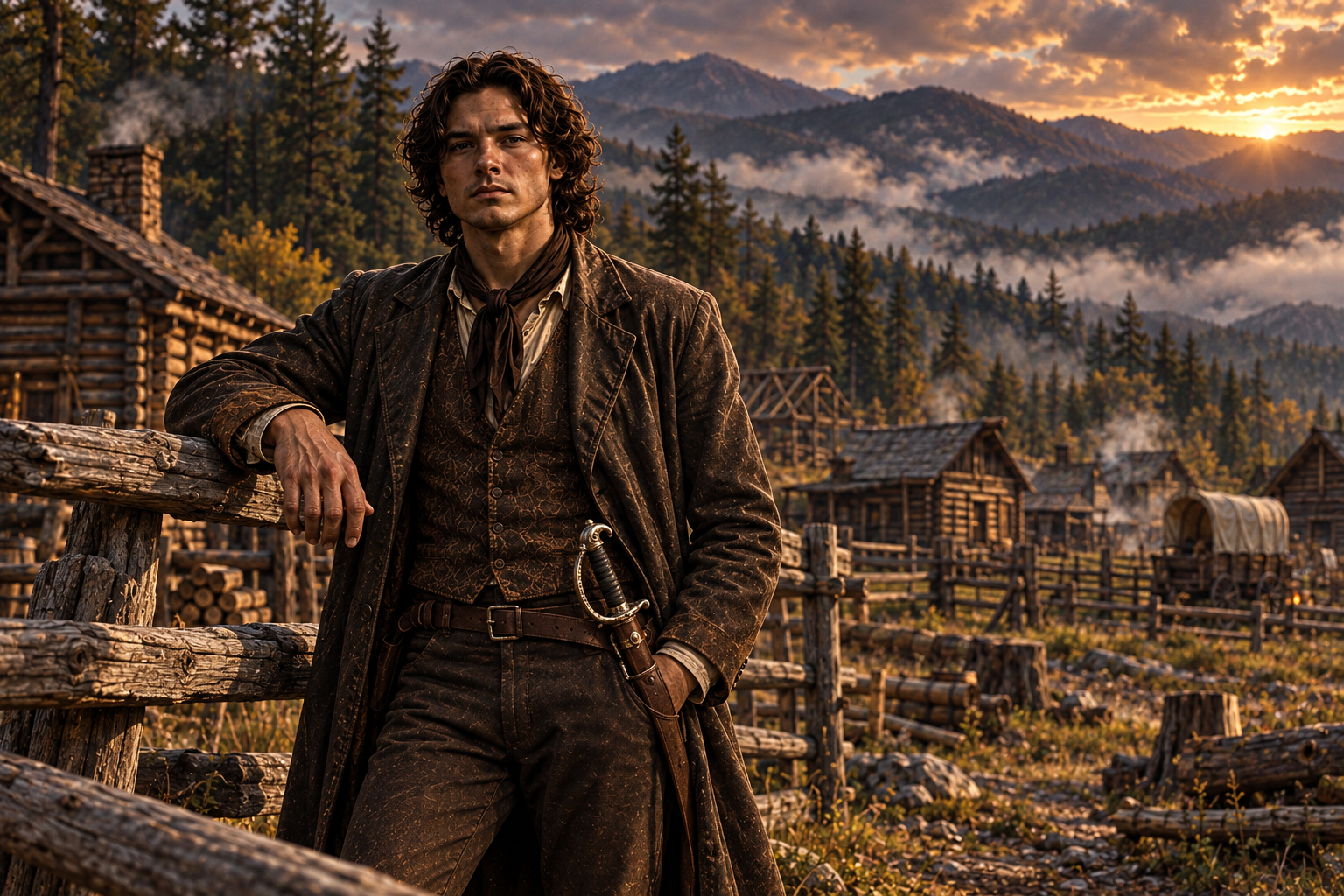
Alexander Thompson
Original Founding Settler | Frontiersman | Slayer of the First Grimm | Devil Hills, West Virginia — 1863
Alexander Thompson was among the original settlers who helped establish the community that would eventually become Devil Hills, West Virginia, in 1863. A skilled frontiersman and capable fighter, Alexander was a man accustomed to hardship, responsibility, and the dangers of life on the American frontier.
At just twenty-five years old, Alexander had already developed a reputation for courage, determination, and unwavering loyalty to those he considered family. Among the people closest to him was Samuel Jackson, his best friend and brother-in-law. Their friendship was built upon years of trust, shared hardship, and the challenges of establishing a new life in the Appalachian wilderness.
Together, they faced the uncertainty of an unforgiving frontier, where survival depended upon cooperation and the willingness to protect one another. Alexander believed that friendship and family were bonds worth defending, even at great personal cost.
However, the winter of 1863 would forever change his life.
When Samuel Jackson died, the settlers’ desperation led to a forbidden resurrection ritual intended to restore him to life. Although the ritual succeeded in bringing Samuel back from the dead, it failed to return him to his former humanity. Instead, Samuel emerged as the First Grimm, a terrifying supernatural creature whose existence defied the natural boundary between life and death.
For Alexander, the transformation presented an unbearable conflict. The creature before him possessed the body and remnants of the man he had once trusted with his life, yet Samuel was no longer the friend Alexander remembered.
As the danger surrounding the First Grimm became impossible to ignore, Alexander was forced to confront Samuel. Armed with a silver-hilted sword and a musket loaded with silver ammunition, he faced the resurrected creature that had once been his closest companion.
The confrontation ended with Alexander killing Samuel Jackson, bringing the First Grimm’s immediate reign of terror to an end.
Although Alexander survived, the experience left a lasting emotional burden. He had not defeated a stranger or an ordinary enemy. He had killed his best friend, a man whose life had been intertwined with his own and whose death had already brought tremendous suffering to those who loved him.
Samuel’s destruction became one of the defining events in the settlement’s early history. It also demonstrated that resurrection could create something far more dangerous than death itself.
Alexander’s role in these events was not that of a witch or a supernatural warrior. He remained an ordinary human being who confronted an extraordinary threat through courage, determination, and the weapons available to him.
His actions would become part of the hidden history of Devil Hills, establishing an early precedent for the difficult choices future generations would face when confronted by the Grimm.
Alexander Thompson’s legacy is therefore inseparable from that of Samuel Jackson. One man became the First Grimm through an unnatural resurrection. The other became the man who ended his existence.
Generations later, when a returned from death and began displaying the characteristics of the Grimm, the tragedy surrounding Alexander and Samuel would gain renewed significance. The events of 1863 had demonstrated what could happen when death was reversed, but they had also revealed the terrible human cost of confronting someone who was no longer entirely the person they had once been.
Historical significance: Alexander Thompson is remembered as an original founding settler of Devil Hills and the man who killed Samuel Jackson, the First Grimm. His confrontation with his closest friend became one of the defining tragedies of the settlement’s supernatural history, leaving a legacy of sacrifice, loyalty, and the painful responsibility of protecting the living from those who have returned from death.
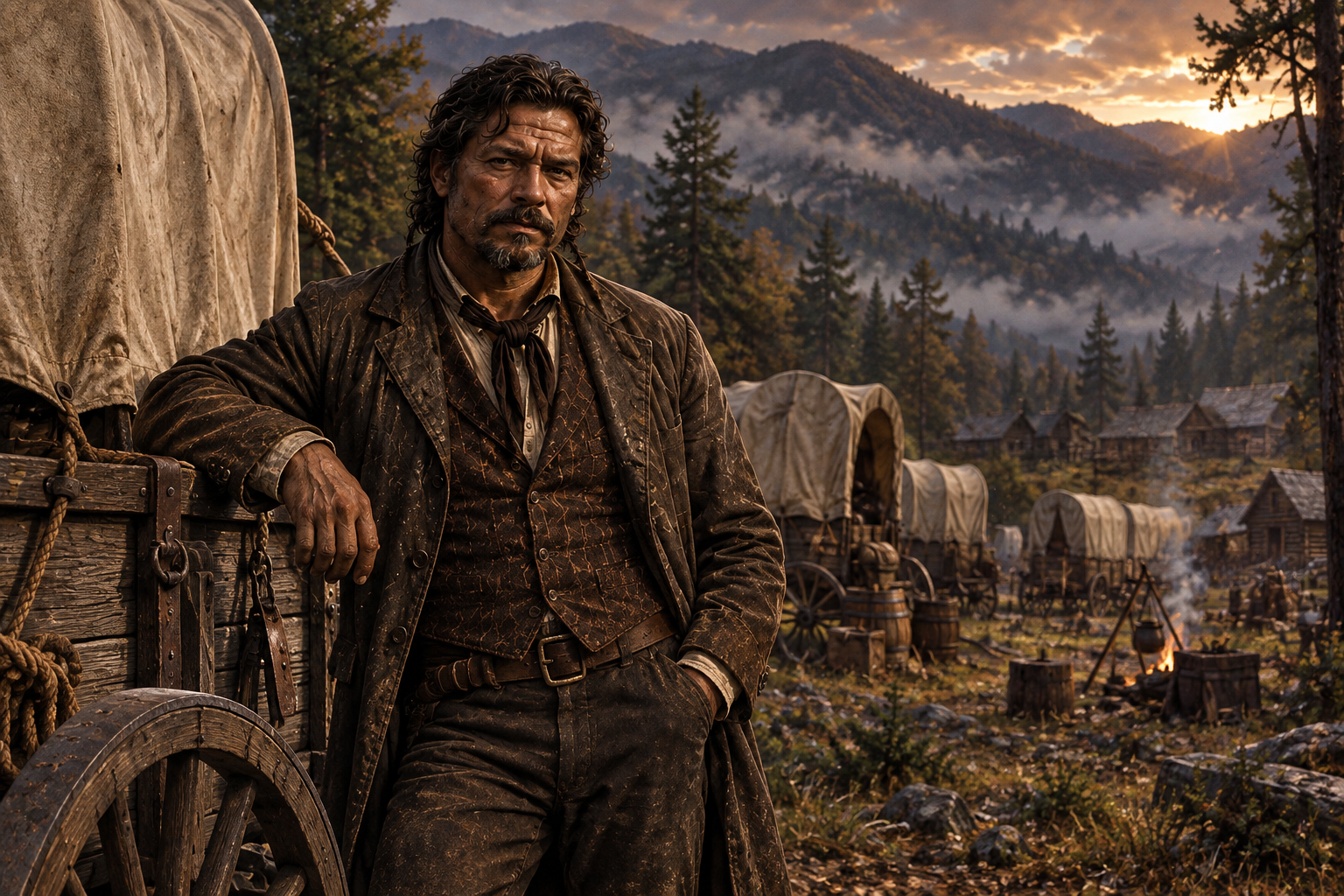
Samuel Jackson
The First Grimm | Original Settler | Devil Hills, West Virginia — 1863
Samuel Jackson was among the original settlers whose lives became intertwined with the founding history of Devil Hills, West Virginia.
A frontier settler of Cherokee ancestry, Samuel belonged to the generation that struggled to establish a community amid the hardships of the nineteenth century. His life would become inseparable from one of the darkest events in the settlement’s history.
In the winter of 1863, Samuel became the subject of a forbidden resurrection ritual beneath Shadow’s Edge Cemetery. The ritual went terribly wrong. Although Samuel returned from death, he did not return as the man he had once been.
He became the First Grimm, a supernatural being whose existence violated the natural boundary between life and death.
Samuel’s resurrection exposed the dangers of attempting to reverse death through forces the settlers did not fully understand. His transformation became a defining event in Devil Hills’ hidden history, influencing the development of the rituals, safeguards, and traditions that followed.
His legacy would extend far beyond his own lifetime. Generations later, a resurrection would echo Samuel’s fate, raising the same questions about mortality, humanity, and the consequences of bringing someone back from the dead.
Samuel Jackson’s story represents both the desperation that gave birth to Devil Hills’ supernatural history and the terrible price of defying death.
Historical significance: Samuel Jackson is remembered as the First Grimm, the earliest known example of an unsuccessful resurrection in Devil Hills, and a foundational figure in the town’s supernatural mythology.
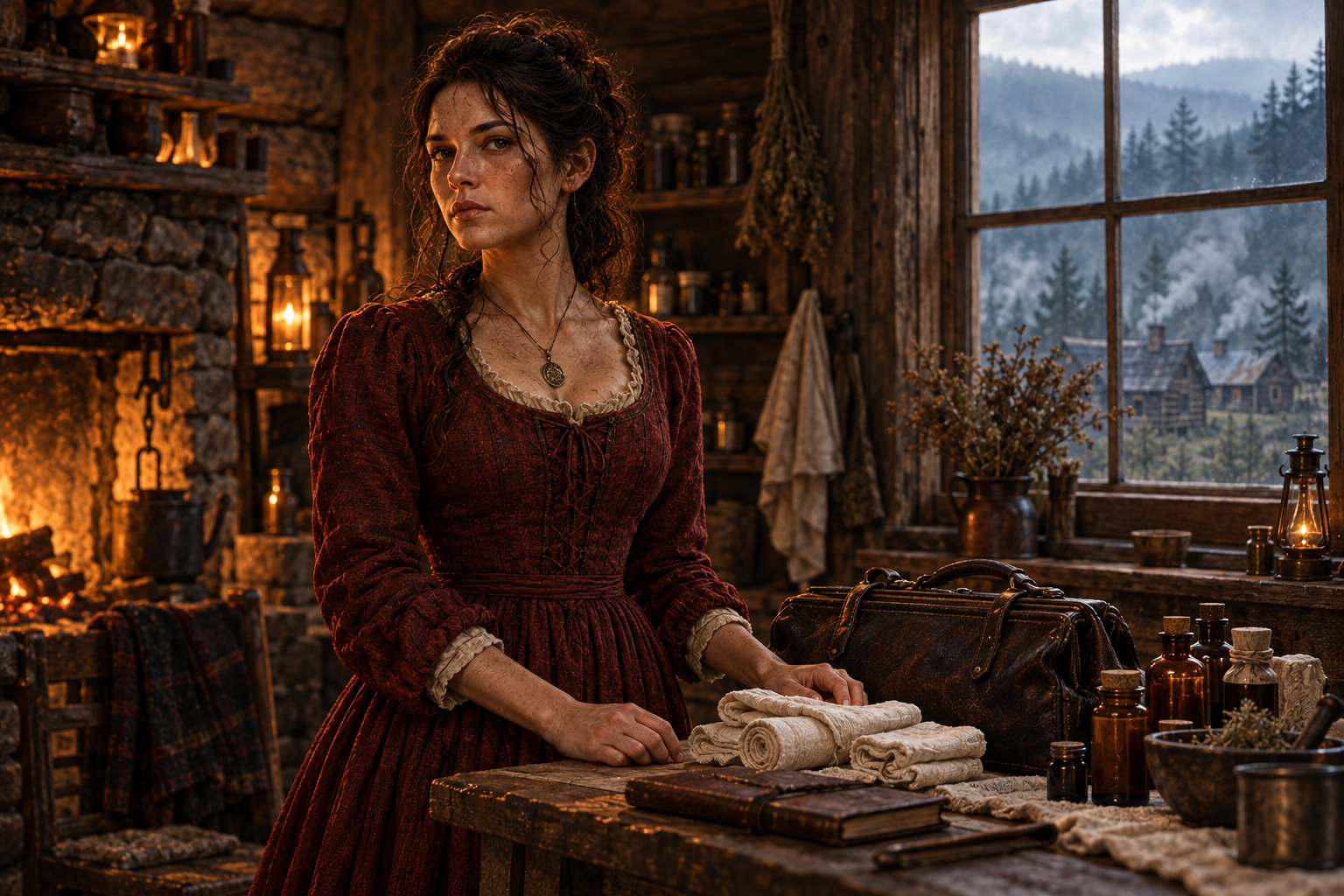
Abigail Jackson Thompson
Original Settler | Jackson Family Matriarch | Devil Hills, West Virginia — 1863
Her desire to protect her family led Abigail Jackson Thompson to become the founding Fire Witch of Devil Hills. In embracing the forbidden power of witchcraft, she abandoned the beliefs she had once held sacred, beginning a supernatural legacy that would endure for generations.
Abigail Jackson Thompson was among the original settlers whose life became intertwined with the founding history of Devil Hills, West Virginia.
A woman of Cherokee ancestry, Abigail belonged to the generation that struggled to establish a community amid the hardships of the nineteenth century. As a member of the Jackson family, she witnessed the dangers and uncertainties that shaped the settlement’s earliest years.
Her life was forever changed by the events surrounding her brother, Samuel Jackson. In the winter of 1863, Samuel became the subject of a forbidden resurrection ritual beneath Shadow’s Edge Cemetery. The ritual failed, transforming him into the First Grimm and exposing the terrible consequences of attempting to reverse death.
Abigail’s connection to Samuel placed her close to one of the darkest events in Devil Hills’ history. The resurrection became a defining moment for the Jackson family and for the community they helped establish, influencing the rituals, safeguards, and traditions that followed.
As an original settler and member of the Jackson family, Abigail represents the human cost of Devil Hills’ supernatural history. Her story is tied not only to the founding of the settlement but also to the legacy left behind by Samuel’s transformation.
Generations later, a resurrection would echo the same forbidden act, reviving the questions first raised by Samuel’s return from death: whether the dead can truly be restored and what remains of a person after crossing the boundary between life and death.
Historical significance: Abigail Jackson Thompson is remembered as an original settler, a member of the Jackson family, and a figure connected to the events surrounding Samuel Jackson’s transformation into the First Grimm.
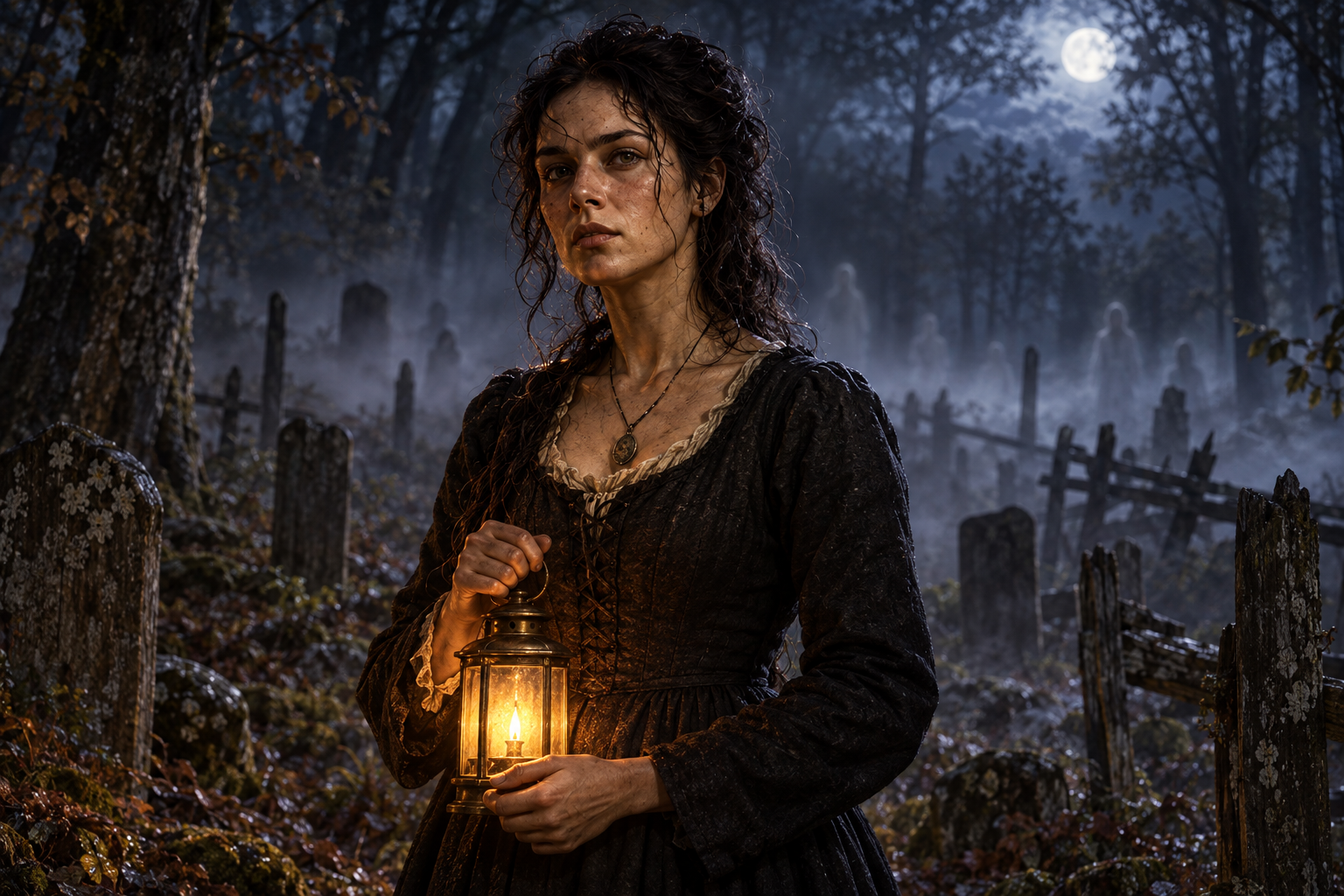
Jennifer Smith Miller
Original Settler | First Spirit Witch | Founding Coven Member | Devil Hills, West Virginia — 1863
Jennifer Smith Miller was among the original settlers who helped establish the community that would eventually become Devil Hills, West Virginia, in 1863.
A woman whose connection to the spiritual world distinguished her from the other settlers, Jennifer possessed an extraordinary sensitivity to the boundary separating the living from the dead. During the settlement’s earliest and most difficult years, when famine, disease, and death threatened the survival of the community, Jennifer discovered that the spirits of the deceased could hear her—and, more frighteningly, that they could answer.
She became known as the First Spirit Witch, one of the five original elemental witches whose abilities would shape the supernatural history of Devil Hills.
Unlike the other elemental witches, whose powers were connected to the physical forces of nature, Jennifer’s gift allowed her to communicate with those who had crossed beyond the boundary of death. Her abilities revealed that death was not necessarily the end of consciousness and that the separation between the living and the dead was more fragile than anyone had imagined.
As a member of the founding coven, Jennifer represented Spirit, the fifth elemental force and the binding connection between the other four elements. Her presence helped complete the original five-witch circle and established the spiritual foundation of the coven’s rituals.
The forbidden resurrection of Samuel Jackson in the winter of 1863 exposed the terrible consequences of interfering with the natural order. Samuel’s transformation into the First Grimm became a defining event in the settlement’s history and demonstrated the dangers of crossing the boundary Jennifer’s abilities allowed her to perceive.
Jennifer’s legacy continued through the generations of witches who inherited the power of Spirit. Her connection to the dead would eventually be reflected in Leah Granite, whose own spiritual abilities became essential to the unfolding events surrounding Hunter Granite and the modern coven.
Jennifer Smith Miller’s place in Devil Hills’ history represents the connection between grief, remembrance, and the enduring presence of those who have passed beyond the living world.
Historical significance: Jennifer Smith Miller is remembered as an original settler, the First Spirit Witch, and a founding member of the original five-witch coven. Her abilities established Spirit’s role as the bridge between life and death and helped shape the supernatural traditions that would endure throughout the history of Devil Hills.
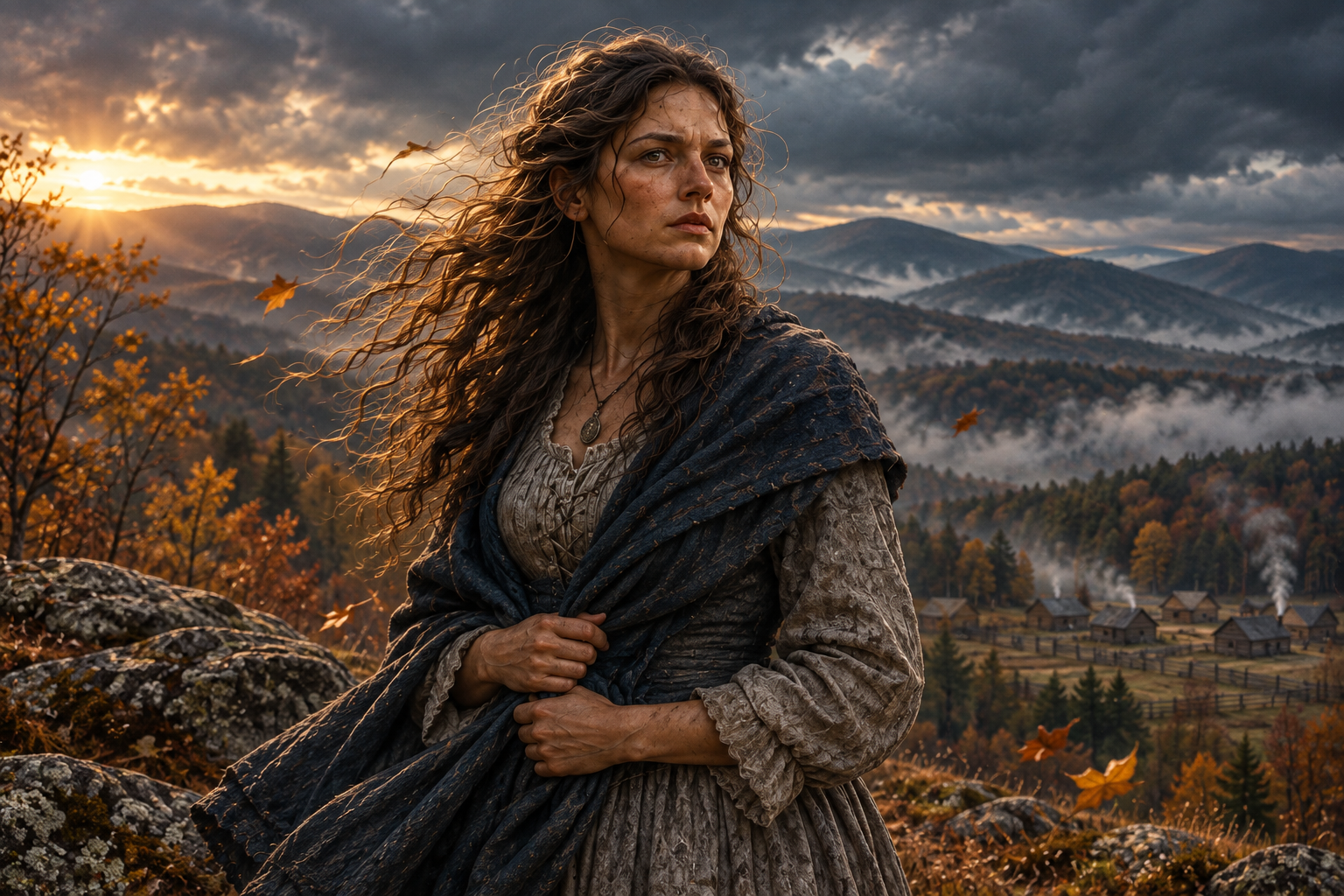
Judith Jones Chambers
Original Settler | First Air Witch | Founding Coven Member | Devil Hills, West Virginia — 1863
Judith Jones Chambers was among the original settlers who helped establish the community that would eventually become Devil Hills, West Virginia, in 1863.
A woman gifted with an extraordinary connection to the element of Air, Judith possessed an instinctive awareness of the invisible forces surrounding the natural world. While others saw clear skies and gentle winds, Judith could sense subtle changes in the atmosphere, recognizing disturbances that often preceded danger.
She became known as the First Air Witch, one of the five original elemental witches whose abilities would shape the supernatural history of Devil Hills.
Judith’s connection to Air extended beyond the manipulation of wind. Her abilities allowed her to perceive disturbances in the natural balance, sensing when forces beyond ordinary human understanding threatened the world around her. This awareness made her particularly sensitive to the dangers associated with forbidden magic and attempts to interfere with the natural order.
As a founding member of the original coven, Judith represented Air, one of the five elemental forces that formed the foundation of the witches’ power. Her abilities complemented those of Fire, Water, Earth, and Spirit, helping establish the balance necessary for the coven to function.
During the winter of 1863, Judith sensed the growing imbalance surrounding the forbidden resurrection of Samuel Jackson. When the ritual brought Samuel back as the First Grimm, her warnings about interfering with death proved tragically justified.
The events surrounding Samuel’s resurrection reinforced Judith’s belief that supernatural power required restraint, responsibility, and respect for the natural forces governing life and death.
Her legacy endured through the generations of witches who inherited the elemental power of Air. That inheritance would eventually be reflected in Skyler Flint, whose own connection to Air carried the same awareness of uncertainty, imbalance, and the consequences of forces beyond human control.
Judith Jones Chambers represents wisdom, foresight, and the understanding that the greatest dangers are not always those that can be seen.
Historical significance: Judith Jones Chambers is remembered as an original settler, the First Air Witch, and a founding member of the original five-witch coven. Her ability to sense disturbances in the natural order helped establish the coven’s early understanding of elemental balance and the dangers of forbidden resurrection.
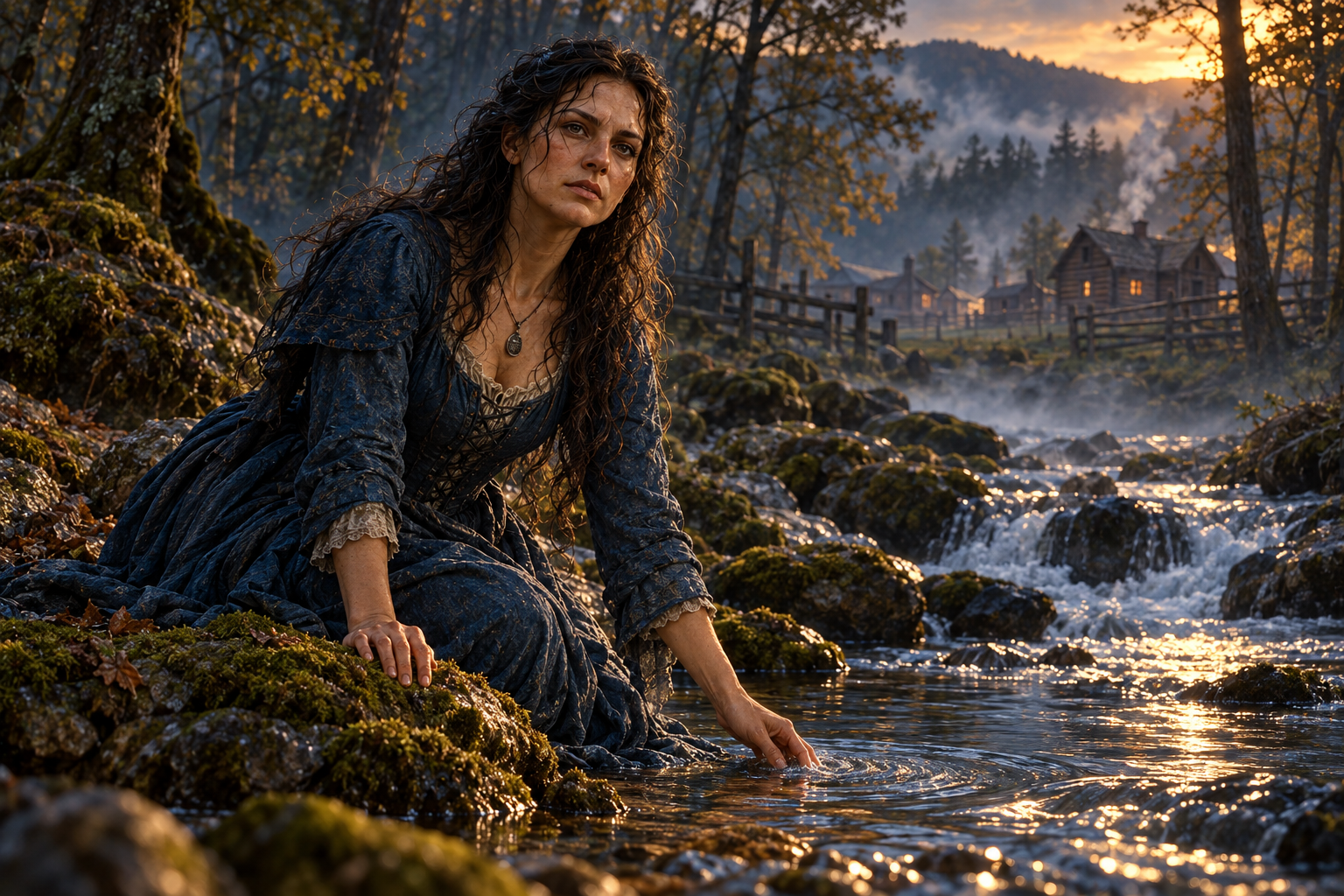
Kieran Atkins Irons
Original Settler | First Water Witch | Founding Coven Member | Devil Hills, West Virginia — 1863
Kieran Atkins Irons was among the original settlers who helped establish the community that would eventually become Devil Hills, West Virginia, in 1863.
A woman whose life became deeply connected to the waters surrounding the settlement, Kieran developed an extraordinary sensitivity to the natural world. During the community’s earliest years, when hardship, sickness, and death threatened the settlers’ survival, she began discovering that water held mysteries extending far beyond its ability to sustain life.
She became known as the First Water Witch, one of the five original elemental witches whose developing abilities would shape the supernatural history of Devil Hills.
Kieran’s connection to Water began with the discovery that water could retain traces of emotional experiences. While washing blood from burial cloths following the deaths of settlers, she encountered something she could not explain. The water seemed to respond to the grief and suffering surrounding those who had died, revealing a connection between water, memory, and human emotion.
Mercer Pond became especially significant to her discoveries. Its waters appeared unusually responsive to the emotional and supernatural disturbances affecting the settlement, suggesting that the valley possessed properties the settlers had only begun to understand.
As a founding member of the original coven, Kieran represented Water, the elemental force associated with adaptability, renewal, healing, and emotional memory. Through the settlers’ developing knowledge of rituals and witchcraft, her connection to Water grew into an important part of the coven’s emerging abilities. Her element complemented Fire, Earth, Air, and Spirit, helping establish the foundation of the original five-witch circle.
During the winter of 1863, the forbidden resurrection of Samuel Jackson exposed the terrible consequences of attempting to reverse death. Samuel’s transformation into the First Grimm revealed that the forces surrounding Devil Hills could preserve and alter life in ways the settlers did not fully understand.
Kieran’s discoveries concerning water and emotional memory became part of the settlement’s developing supernatural traditions. Her experiences helped establish the importance of Mercer Pond and the relationship between the valley’s natural features and the events that shaped its history.
Her legacy endured through the generations of witches who inherited an affinity for Water. That elemental heritage would eventually be reflected in Rihanna Winters, whose abilities carried forward the connection between water, emotion, and the memories of the past.
Kieran Atkins Irons represents the enduring power of memory and the understanding that even when life passes away, its influence can remain within the natural world.
Historical significance: Kieran Atkins Irons is remembered as an original settler, the First Water Witch, and a founding member of the original five-witch coven. Her discovery of water’s connection to emotional memory and her experiences surrounding Mercer Pond helped establish Water’s place in the supernatural history of Devil Hills.
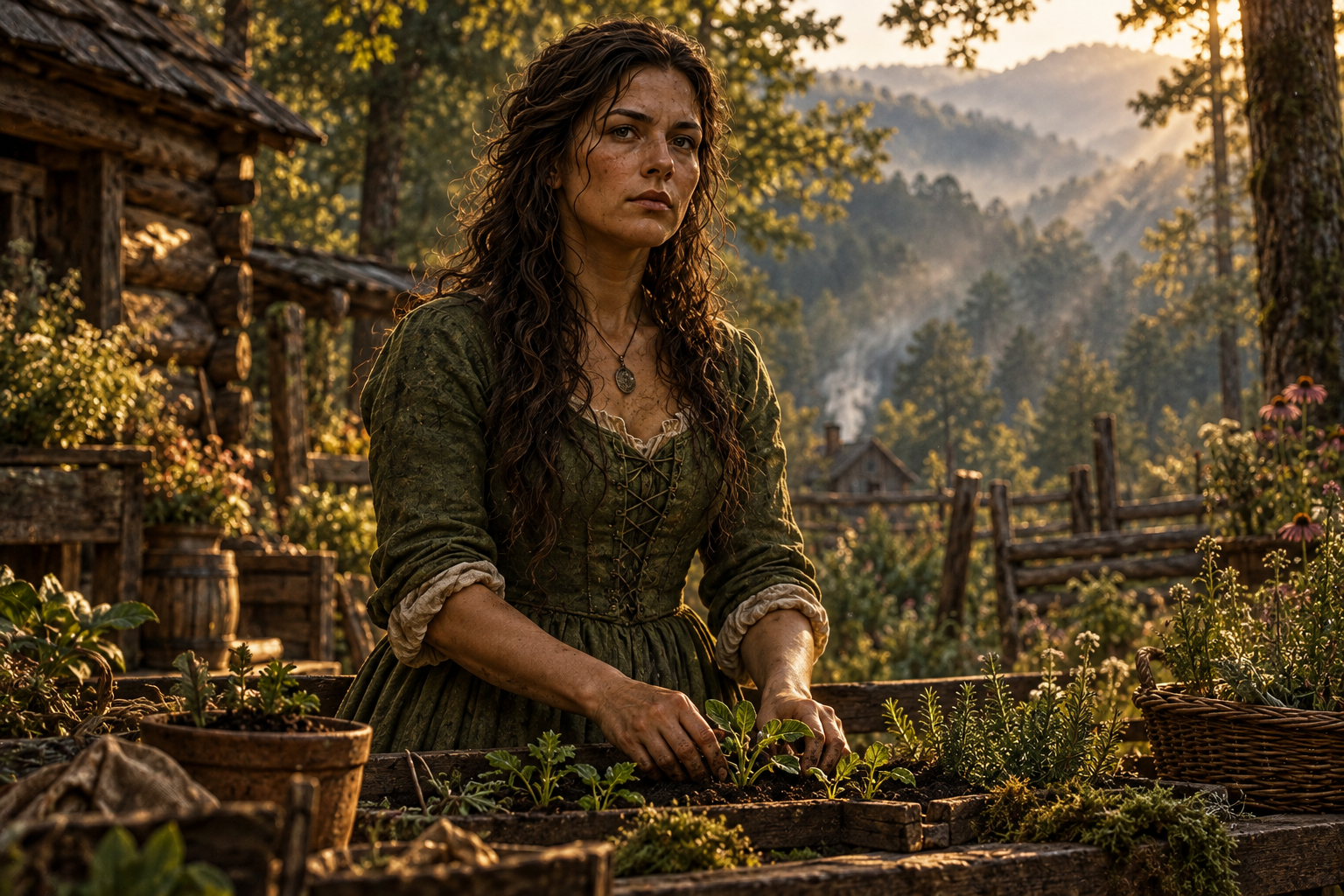
Maddie Lusk Walls
Original Settler | First Earth Witch | Founding Coven Member | Devil Hills, West Virginia — 1863
Maddie Lusk Walls was among the original settlers who helped establish the community that would eventually become Devil Hills, West Virginia, in 1863.
A woman with an extraordinary connection to the natural world, Maddie possessed an instinctive understanding of the land and the forces that governed it. Where others saw mountains, forests, and fertile soil, Maddie recognized something far more profound—a living world connected to everything that grew, breathed, and eventually returned to the earth.
She became known as the First Earth Witch, one of the five original elemental witches whose abilities would shape the supernatural history of Devil Hills.
Maddie’s connection to Earth allowed her to sense changes beneath the surface, recognize disturbances in the natural environment, and understand the relationship between the land and the lives it sustained. During the settlement’s earliest years, when harsh winters, hunger, and uncertainty threatened the community, her growing abilities strengthened her connection to the world around her.
As a founding member of the original coven, Maddie represented Earth, the elemental force associated with endurance, stability, growth, and the physical foundations of life. Her abilities complemented those of Fire, Water, Air, and Spirit, helping establish the balance necessary for the five-witch coven.
During the winter of 1863, the forbidden resurrection of Samuel Jackson revealed that the land surrounding Devil Hills was capable of responding to forces beyond ordinary human understanding. Samuel’s transformation into the First Grimm exposed the dangers of interfering with the natural cycle of life and death.
Maddie’s understanding of the land became especially important as the settlers began recognizing that the valley itself had been altered by the events surrounding the resurrection. What had once appeared to be ordinary wilderness now concealed a supernatural history that would influence generations to come.
Her legacy endured through the generations of witches who inherited the elemental power of Earth. That inheritance would eventually be reflected in Haley Granite, whose connection to the land echoed Maddie’s strength, endurance, and protective nature.
Maddie Lusk Walls represents the enduring relationship between humanity and the natural world—a reminder that the earth provides life, remembers what has been buried, and ultimately reclaims everything that returns to it.
Historical significance: Maddie Lusk Walls is remembered as an original settler, the First Earth Witch, and a founding member of the original five-witch coven. Her understanding of the living land helped establish the coven’s connection to Earth and revealed the supernatural importance of the valley that would become Devil Hills.
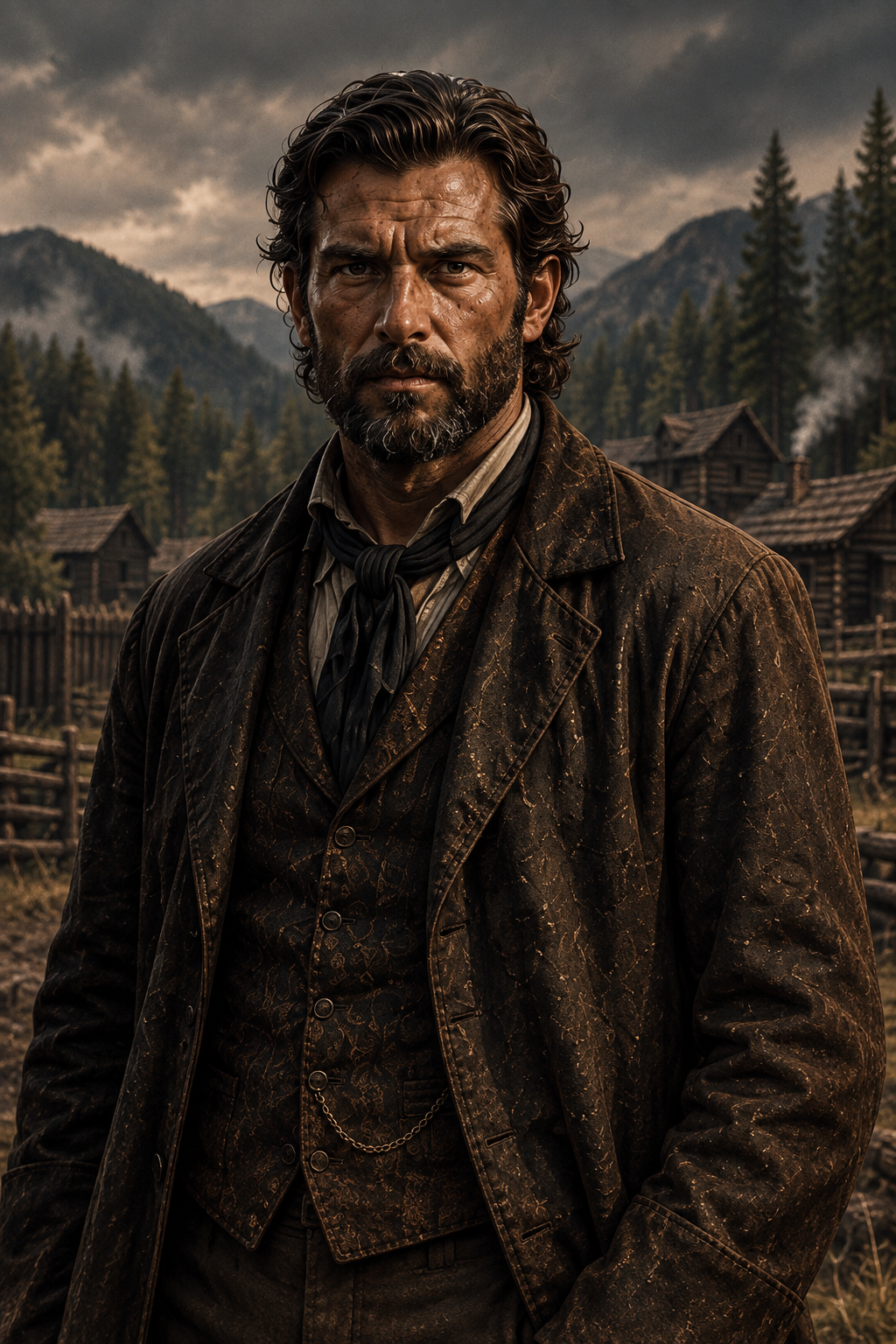
Jonathan Walls
Original Explorer | Founding Settler | Builder and Strategist | Devil Hills, West Virginia — 1863
Jonathan Walls was among the original five explorers and founding settlers who helped establish the community that would eventually become Devil Hills, West Virginia, in 1863.
A practical and resourceful frontiersman, Jonathan played an important role in transforming an isolated wilderness into a functioning settlement. His strengths lay in construction, organization, and strategic planning, making him an essential figure during the community’s earliest and most difficult years.
While other settlers contributed through their knowledge of medicine, agriculture, and survival, Jonathan concentrated on establishing the physical foundations necessary for the community’s future. He helped organize construction efforts, raise the settlement’s first structures, and plan defenses against the dangers of the surrounding wilderness.
Jonathan’s leadership was grounded in practical experience rather than supernatural abilities. He understood that survival required more than courage. It demanded preparation, cooperation, and the willingness to make difficult decisions when resources were scarce and conditions became dangerous.
During the winter of 1863, the settlers faced tremendous hardships as hunger, disease, and death threatened the community’s survival. Jonathan’s responsibilities as a builder and organizer placed him among those working to preserve the settlement through its most uncertain period.
As strange events began unfolding throughout the valley, the community found itself confronting dangers that could not be explained through ordinary experience. The forbidden resurrection of Samuel Jackson and his transformation into the First Grimm became part of the troubled history of the settlement Jonathan had helped establish.
Unlike the founding witches, Jonathan was an ordinary human being whose contributions came through determination, craftsmanship, and leadership rather than magic. His place in Devil Hills’ history reflects the importance of the settlers who built the community while others struggled to understand the supernatural forces emerging around them.
Jonathan Walls represents the practical foundation of Devil Hills—a reminder that before the town became known for its witches, forbidden rituals, and supernatural mysteries, it was a settlement built through human effort and the determination to survive.
Historical significance: Jonathan Walls is remembered as one of the original five explorers and founding settlers of Devil Hills. His contributions to construction, strategic planning, and early settlement defenses helped establish the physical foundations of the community that would endure for generations.
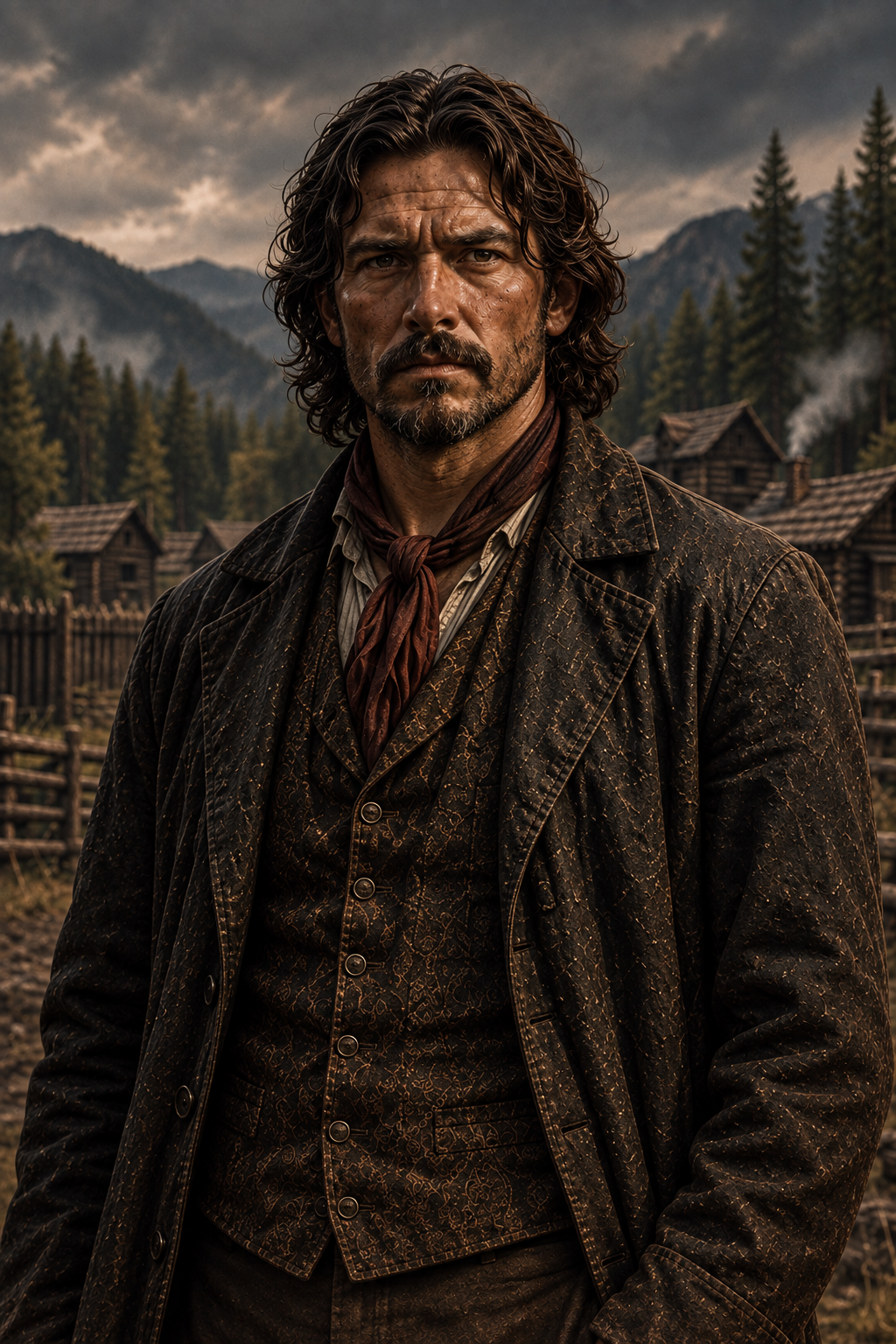
Matthew Miller
Original Explorer | Founding Settler | Scout and Tracker | Devil Hills, West Virginia — 1863
Matthew Miller was among the original five explorers and founding settlers who helped establish the community that would eventually become Devil Hills, West Virginia, in 1863.
A quiet, observant, and resourceful frontiersman, Matthew possessed an exceptional understanding of the Appalachian wilderness. His knowledge of the forests, mountain trails, and changing weather conditions made him an invaluable member of the original expedition. While others relied on physical strength or leadership, Matthew’s greatest advantages were his patience, awareness, and ability to recognize danger before it became apparent.
As the settlement’s scout and tracker, Matthew helped the explorers navigate unfamiliar territory, identify safe passages through the mountains, and locate resources necessary for survival. His ability to interpret broken branches, disturbed soil, animal tracks, and subtle changes in the surrounding environment allowed him to move through the wilderness with confidence.
Matthew was not a man who sought recognition. He preferred observation over confrontation and believed that understanding one’s surroundings was often more valuable than rushing into danger. His cautious nature complemented the abilities of the other founding explorers and contributed to the group’s survival during their earliest expeditions.
When the settlers established their community in 1863, Matthew’s responsibilities extended beyond exploration. The isolated settlement depended upon its scouts to identify potential threats, locate hunting grounds, and maintain knowledge of the surrounding territory. His familiarity with the wilderness made him an important part of the community’s efforts to survive.
The winter of 1863 brought extraordinary hardships. Hunger, disease, and death threatened the settlers, while unexplained events began challenging their understanding of the natural world.
The forbidden resurrection of Samuel Jackson and his transformation into the First Grimm marked a turning point in the settlement’s history. For men like Matthew, whose lives depended upon recognizing the difference between ordinary wilderness dangers and genuine threats, the emergence of something unnatural represented a danger unlike anything they had previously encountered.
Although supernatural forces became increasingly important to the settlement’s history, Matthew remained an ordinary human being. He possessed no established magical abilities and was not a member of the founding coven. His contributions came through experience, observation, and a practical understanding of the land.
As the settlement developed, Matthew’s work helped establish the geographical knowledge upon which future generations would depend. The trails, forests, and surrounding mountains that he explored would become part of the landscape of Devil Hills, a community whose history would forever be connected to both human determination and supernatural tragedy.
Matthew Miller represents the quieter side of frontier courage. He was not remembered for commanding armies or wielding supernatural power, but for understanding the wilderness, recognizing its dangers, and helping others survive within it.
Historical significance: Matthew Miller is remembered as one of the original five explorers and founding settlers of Devil Hills. His expertise as a scout and tracker contributed to the survival of the early settlement and helped establish the community’s understanding of the surrounding Appalachian wilderness.
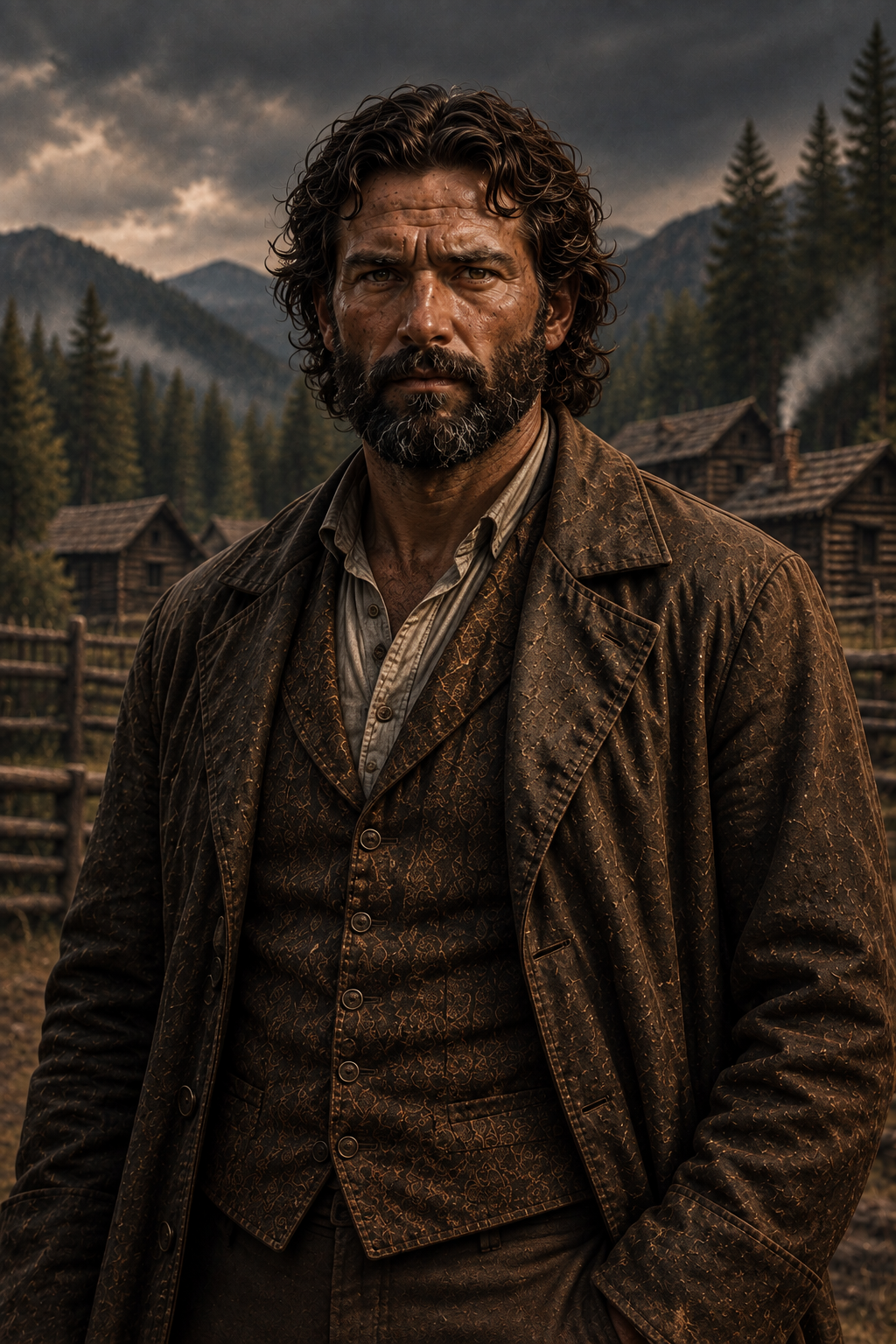
Thomas Chambers
Original Explorer | Founding Settler | Devil Hills, West Virginia — 1863
Thomas Chambers was among the original explorers and founding settlers who helped establish the community that would eventually become Devil Hills, West Virginia, in 1863.
A determined and resourceful frontiersman, Thomas belonged to the generation of pioneers who ventured into the Appalachian wilderness seeking the opportunity to build a new life. Establishing a settlement in the isolated mountains required courage, cooperation, and a willingness to confront hardships that few could have anticipated.
Alongside fellow settlers Alexander Thompson, Samuel Jackson, Jonathan Walls, and Matthew Miller, Thomas became part of the community’s earliest history. Their efforts helped lay the foundations of a settlement that would eventually become known for its unusual traditions, mysterious landscape, and deeply rooted supernatural heritage.
During the winter of 1863, the settlers faced hunger, sickness, and death. The community’s struggle for survival became increasingly complicated as unexplained events began challenging their understanding of the natural world.
The forbidden resurrection of Samuel Jackson marked a turning point in the settlement’s history. When Samuel returned from death as the First Grimm, the settlers discovered that forces beyond ordinary human understanding existed within the valley.
Samuel’s eventual death at the hands of his best friend, Alexander Thompson, became one of the defining tragedies of the settlement’s founding era. These events left a lasting mark on the community and influenced the generations that followed.
Thomas was an ordinary human settler, not a supernatural being. His historical importance came from his participation in establishing Devil Hills and enduring the hardships of its earliest years.
The Chambers family name would remain significant throughout the town’s history, particularly through the generations associated with its supernatural traditions. However, Thomas’s own role remained rooted in the human history of the settlement rather than membership in the founding coven.
Thomas Chambers represents the determination of the original pioneers whose work made the community possible long before Devil Hills became known for its supernatural mysteries.
Historical significance: Thomas Chambers is remembered as one of the original explorers and founding settlers of Devil Hills in 1863. His place in the settlement’s founding generation connects him to the events surrounding Samuel Jackson’s resurrection and the early history of the community.
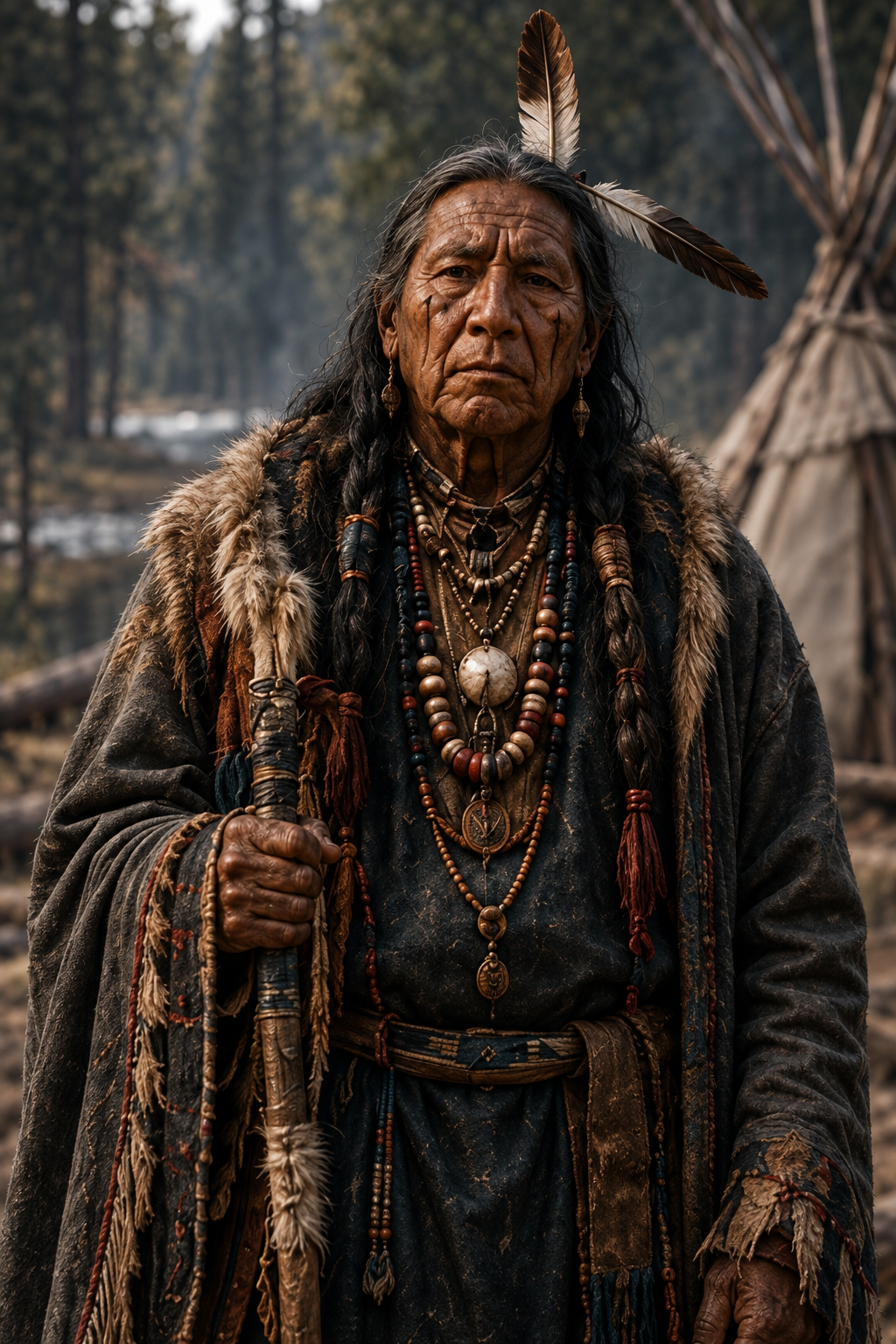
Talon Wolf Irons
Shaman | Teacher of Black Magic | Father of the Grimm Curse | Devil Hills, West Virginia — 1863
Talon Wolf Irons was a powerful shaman whose knowledge of ancient rituals, spiritual forces, and forbidden magic helped shape the supernatural foundations of Devil Hills, West Virginia.
During the settlement’s earliest years in 1863, Talon became a teacher to the wives of the original founding settlers. These women possessed natural elemental abilities connected to Mother Nature, but they lacked the knowledge necessary to fully understand and control their gifts.
Recognizing their potential, Talon introduced them to black magic, teaching them ritual practices, spiritual invocation, spellcasting, and the dangerous consequences of manipulating forces beyond the natural order.
His teachings helped establish the magical knowledge that would eventually become the foundation of the original five-witch coven.
However, Talon’s greatest contribution to the supernatural history of Devil Hills would not come from what he taught, but from the terrible curse he placed upon generations yet to be born.
During the winter of 1863, the forbidden resurrection of Samuel Jackson resulted in the creation of the First Grimm. Samuel returned from death transformed into a terrifying supernatural creature, driven by forces that neither the founding settlers nor their emerging coven fully understood.
Among the lives claimed by the First Grimm was Talon’s own son.
The murder devastated Talon. The man who had dedicated himself to teaching the founding women the secrets of forbidden magic was now confronted with the horrifying consequences of those same practices.
His grief soon transformed into anger, and his anger into a desire for vengeance.
Talon blamed the misuse of forbidden magic for the creature that had taken his child’s life. Yet rather than limiting his vengeance to those directly responsible, he turned his anger toward the future of witchcraft itself.
Through a powerful curse, Talon condemned the strongest covens of future generations to face destruction at the hands of the Grimm.
It was a punishment intended to endure beyond the lives of the founding settlers, reaching witches who had not yet been born and covens that had not yet formed.
The curse became one of the darkest legacies of Devil Hills’ founding era, establishing a supernatural connection between the Grimm and the covens whose growing power would eventually make them targets of Talon’s vengeance.
Although Alexander Thompson ultimately killed Samuel Jackson, ending the immediate threat posed by the First Grimm, Talon’s curse was not undone.
Its consequences would remain hidden within the supernatural history of Devil Hills, awaiting generations powerful enough to attract the destruction Talon had called upon them.
Centuries later, as new covens rose and the Grimm returned, the significance of Talon’s curse would become increasingly important. The conflict between the witches and the Grimm was no longer merely a consequence of forbidden resurrection, but part of a tragedy rooted in the grief of a father who had lost his son.
Talon Wolf Irons remains one of the most consequential figures in Devil Hills’ supernatural history. He helped teach the founding witches how to wield forbidden magic, only to condemn their most powerful successors to destruction when those practices contributed to the death of his child.
His legacy is a tragic contradiction: a teacher who helped establish the foundations of witchcraft and a grieving father who cursed its future.
Historical significance: Talon Wolf Irons is remembered as the shaman who taught the founding settlers’ wives black magic and the creator of the ancient curse condemning the strongest future covens to destruction by the Grimm. His son’s death at the hands of the First Grimm transformed his grief into a supernatural vengeance that would haunt Devil Hills for generations.
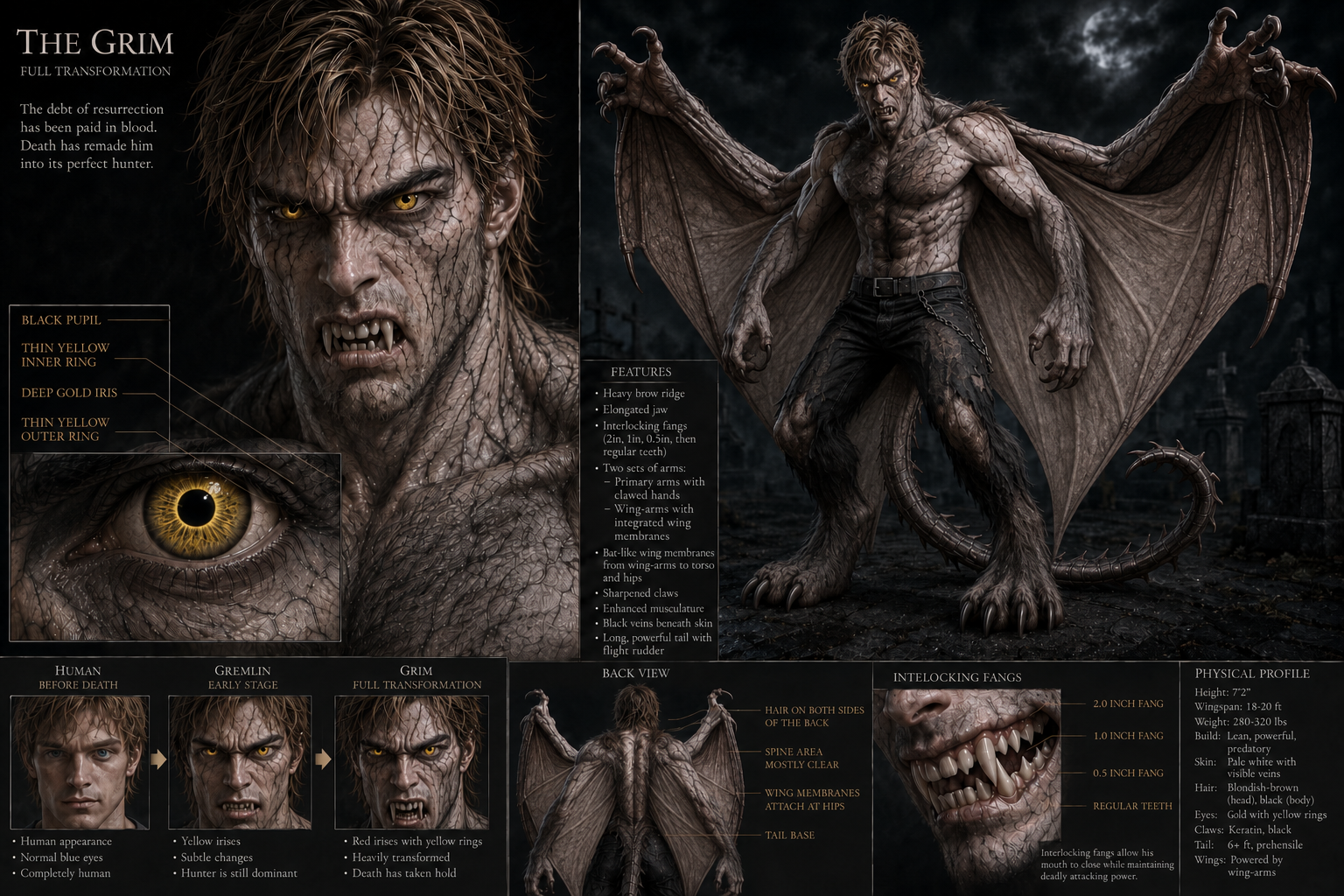
The Grimm
The Devil’s Gift | Death Avatar | The Forbidden Anchor
House of T Grimoire — Restricted Archive
Classification: Forbidden Resurrection / Elemental Conduit
First Recorded Manifestation: October 31, 1863
“The five possess the power. The Forbidden Anchor makes them one.”
The Grimm is neither witch nor elemental. It is a being returned from death, an unnatural existence suspended between the world of the living and that which lies beyond.
Its origins remain bound to the forbidden resurrection of Samuel Jackson, whose return in 1863 brought death and destruction upon the founding settlement of Devil Hills.
Yet the Grimm’s greatest danger may not lie in its strength, its hunger, or its unnatural resistance to death.
It lies in its connection to the five elemental witches.
Fire, Water, Earth, Air, and Spirit are individual expressions of Nature’s power. Each possesses its own strength, limitations, and purpose. When united through the Grimm, however, the five may function as a single supernatural force.
This union is known as the Power of Six.
The Grimm contributes no sixth element. Instead, it serves as the Forbidden Anchor, the living conduit through which the five elemental powers synchronize and multiply.
A coven united willingly through the Forbidden Anchor may wield extraordinary power.
But should a witch possess sufficient will to dominate the Grimm, she could theoretically bend the Anchor to her command, drawing upon the combined strength of her entire coven without the ordinary limitations imposed by five independent wills.
Such power has long been considered immeasurable.
Let this warning endure: the Forbidden Anchor is not an object, a servant, or a possession.
The Grimm retains a will of its own.
To unite with it is to share power.
To enslave it is to challenge something whose nature remains imperfectly understood.
— House of T, Restricted Grimoire Record
The Curse of Talon Wolf Irons
Founding Era — 1863
Talon Wolf Irons, the shaman who instructed the founding settlers’ wives in the forbidden practices of black magic, suffered an irreversible loss when the First Grimm killed his son.
Consumed by grief and vengeance, Talon cursed the strongest covens of future generations, condemning them to destruction at the hands of the Grimm.
The curse did not distinguish between innocence and ambition, nor between witches who practiced forbidden magic and those who inherited its consequences.
It was a father’s vengeance cast upon generations yet unborn.
The extent of the curse remains unknown.
Its connection to the Forbidden Anchor is considered especially dangerous.
No coven shall mistake its strength for immunity from the curse.
— Historical Warning, House of T
The Broken Anchors
Sealed Historical Supplement — Access Restricted
The resurrection of Samuel Jackson marks the first recorded emergence of the Grimm in Devil Hills.
It does not mark the only emergence.
Fragments recovered from older accounts speak of other manifestations, separated by generations, geographical distances, and the rise and fall of powerful covens.
In certain records, the Grimm was hunted.
In others, it was worshipped.
And in the most dangerous accounts, it was coveted.
Powerful covens discovered that the Forbidden Anchor could unite the five elemental forces into something far greater than their individual strengths.
Some believed that controlling the Grimm would place unlimited power within their grasp.
They attempted to bind its will, suppress its independence, and force the combined elements through a single commanding authority.
None of these attempts produced the power their architects imagined.
The records describe shattered covens, extinguished bloodlines, and the destruction of the very Grimms those witches sought to possess.
Whether these catastrophes were caused by the Grimm’s resistance, the instability of forced elemental synchronization, Talon Wolf Irons’ ancient curse, or some combination of the three remains unknown.
The surviving accounts offer only one consistent conclusion.
The coven that seeks to own the Forbidden Anchor may become the instrument of its own destruction.
The records of these earlier manifestations were sealed. Their names, locations, and circumstances remain restricted from general study.
Final annotation, author unknown:
“They sought to command death and found themselves kneeling before it. The Anchor broke. The circle fell. And still, the curse endured.”